
Tell your friends about this item:
The John Locke Collection


The John Locke Collection
John Locke
The John Locke Collection
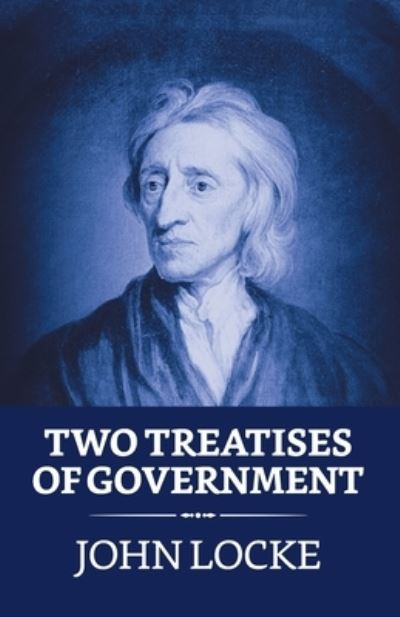
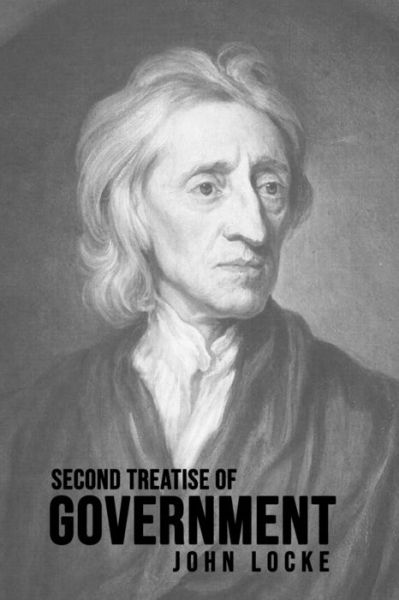
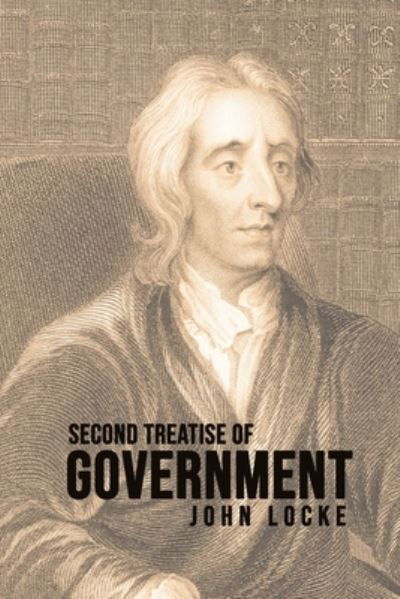
A Collection of his most Important WorksSecond Treatise of Government by John LockeAn Essay Concerning Humane Understanding, Volume 1 by John LockeAn Essay Concerning Human Understanding, Volume 2 by John Locke
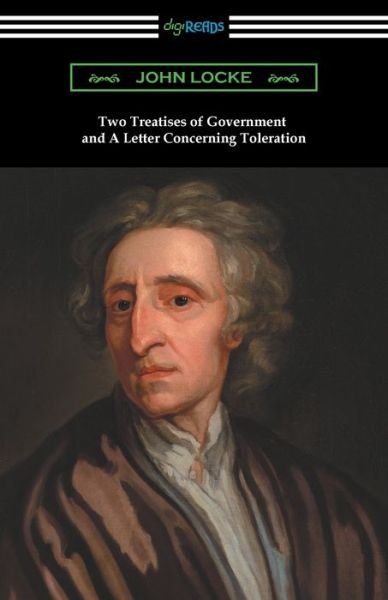
John Locke FRS (29 August 1632 - 28 October 1704) was an English philosopher and physician regarded as one of the most influential of Enlightenment thinkers and known as the "Father of Classical Liberalism". Considered one of the first of the British empiricists, following the tradition of Sir Francis Bacon, he is equally important to social contract theory. His work greatly affected the development of epistemology and political philosophy. His writings influenced Voltaire and Rousseau, many Scottish Enlightenment thinkers, as well as the American revolutionaries. His contributions to classical republicanism and liberal theory are reflected in the United States Declaration of Independence.
Locke's theory of mind is often cited as the origin of modern conceptions of identity and the self, figuring prominently in the work of later philosophers such as Hume, Rousseau, and Kant. Locke was the first to define the self through a continuity of consciousness. He postulated that, at birth, the mind was a blank slate or tabula rasa. Contrary to Cartesian philosophy based on pre-existing concepts, he maintained that we are born without innate ideas, and that knowledge is instead determined only by experience derived from sense perception.
| Media | Books Paperback Book (Book with soft cover and glued back) |
| Released | November 6, 2015 |
| ISBN13 | 9781519156808 |
| Publishers | Createspace Independent Publishing Platf |
| Pages | 388 |
| Dimensions | 216 × 279 × 20 mm · 898 g |
| Language | English |
More by John Locke
Show all







See all of John Locke ( e.g. Paperback Book , Hardcover Book , Book , CD and Sewn Spine Book )